
Loading Experience
Linked Patient Learning
Loading Experience
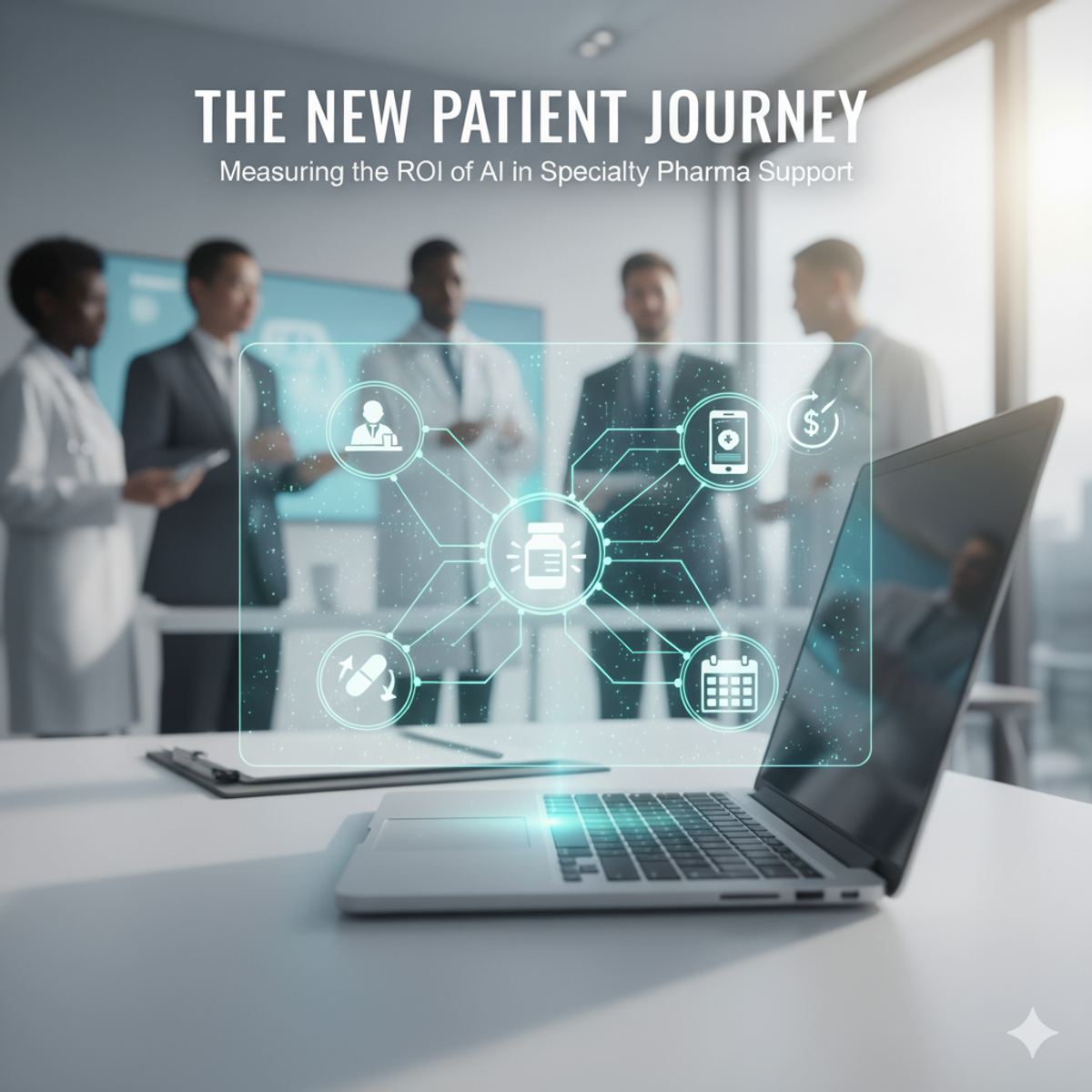
The landscape of patient care is undergoing a profound transformation, driven by the intelligent integration of Artificial Intelligence (AI). For specialty pharmaceutical companies, this isn't just about adopting new tech; it's about fundamentally reshaping how patients experience their health journey, from diagnosis to adherence. But with every innovation comes a crucial question: how do we measure the true Return on Investment (ROI) of these AI-powered patient support programs?
Beyond the Pill: The Evolving Patient Expectation
Today's patient journey extends far beyond the clinic or the pharmacy. It encompasses a complex web of interactions with healthcare providers, caregivers, pharmacists, advocacy groups, and digital health tools. For patients managing chronic or rare conditions, access to personalized information, timely support, and seamless coordination is paramount. AI is stepping in to fill these gaps, offering solutions like:
Personalized Education:Delivering condition-specific information tailored to individual learning styles and preferences.
Adherence Reminders:Proactive nudges and support to ensure medication schedules are maintained.
Symptom Monitoring:AI-driven analysis of patient-reported data to identify potential issues early.
Care Coordination:Streamlining communication between different stakeholders in the patient's care ecosystem.
These innovations promise a more engaged, informed, and ultimately healthier patient. But how do you quantify that promise?
Measuring What Matters: KPIs for AI-Driven Support
To truly understand the ROI of AI in specialty pharma support programs, we need to look beyond traditional metrics. Here are key performance indicators (KPIs) that capture the unique value proposition of AI:
Improved Adherence Rates:This is often the most direct measure. AI-driven reminders and educational content can significantly impact how consistently patients take their medication.
Increased Patient Persistence:Beyond just taking the medication, how long do patients stay on therapy? AI can reduce drop-off by providing continuous support and addressing barriers.
Enhanced Patient Satisfaction Scores (e.g., NPS):Engaged patients are happier patients. Surveys can capture sentiment related to the support received.
Reduced Healthcare Utilization (e.g., ER Visits, Hospitalizations):For conditions where AI helps manage symptoms or prevent complications, this can be a significant cost-saving.
Faster Time to Therapy/Diagnosis:In rare diseases, AI can accelerate the patient's journey by streamlining information access and support.
Better Data Insights for Program Optimization:AI platforms generate vast amounts of data. The ability to analyze this data provides invaluable feedback for continuously refining and improving support programs.
The Future is Here: Contextual AI and Real-World Impact
The power of AI isn't just in automating tasks; it's in creating more intelligent, empathetic, and effective patient engagement. As this article fromDeloittehighlights, AI is moving from a buzzword to a fundamental component of healthcare strategy, particularly in driving patient access and experience:
Deloitte Insights: 2025 US health care outlook
This piece emphasizes how AI is no longer just theoretical; it's actively reshaping how healthcare is delivered and experienced. For specialty pharma, the challenge—and the opportunity—lies in strategically deploying AI, meticulously measuring its impact across the entire patient ecosystem, and ultimately demonstrating a clear return on investment that benefits both patients and the bottom line.
Ready to explore how AI can transform your patient support programs and prove its value?Contact us today to learn more about our Ecosystem Intelligence approach.
Written by
Liza Prettypaul-Lodhia
Share your details and we'll send you the playbook.