
Loading Experience
Linked Patient Learning
Loading Experience
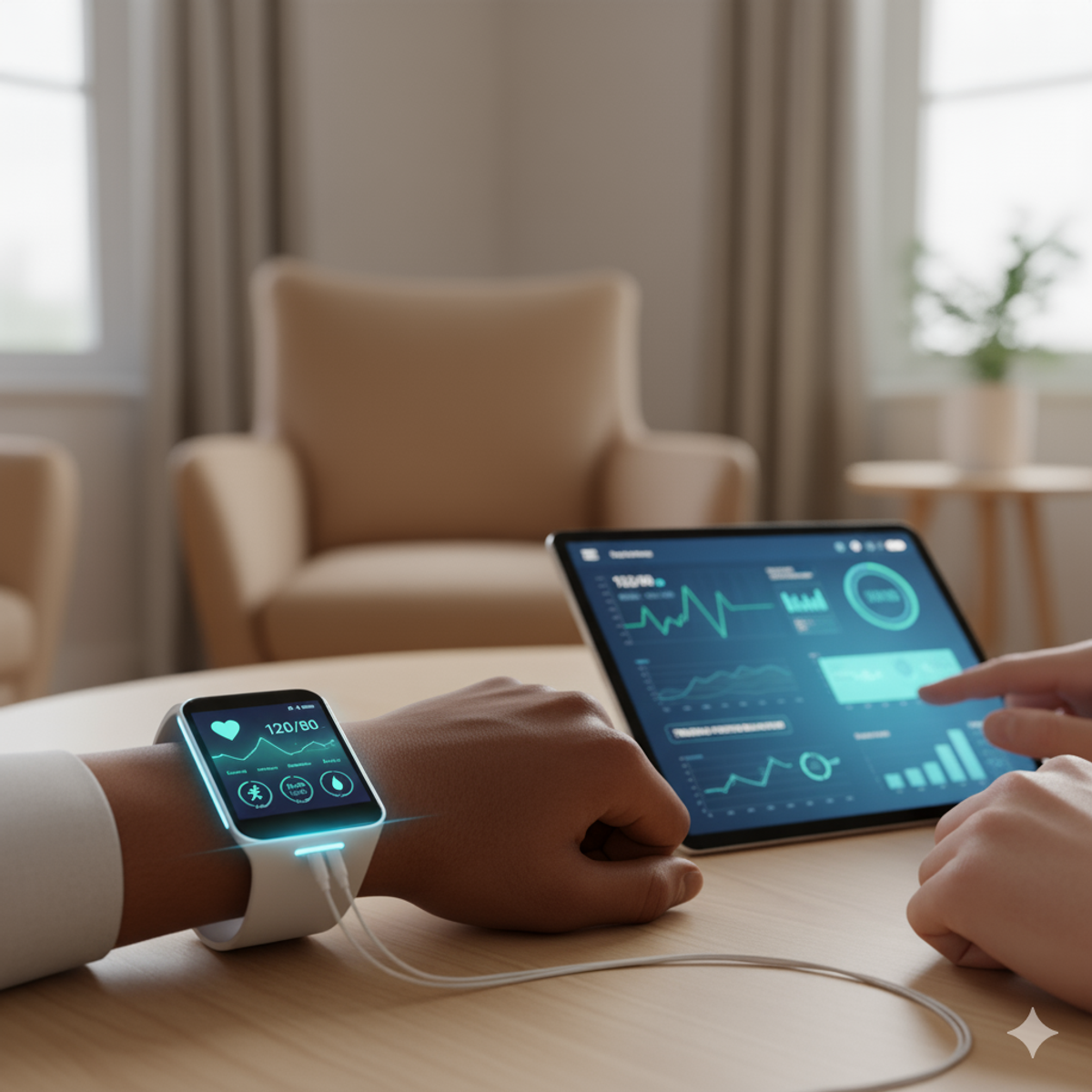
In the world of biopharma, we often hear the term“high-touch”used as the gold standard for patient support. We pour resources into patient ambassadors, in-person education, and comprehensive call centers, believing that a personalized, human-centric approach is the only way to build trust and drive long-term adherence.
But what if the most important lesson for patient engagement comes from an unlikely source: the coffee shop?
The recent shift in the retail experience, perfectly exemplified by Starbucks, presents a powerful analogy for biopharma leaders. For years, Starbucks famously branded itself as the “third place”—a comfortable haven between home and work. Its success was intrinsically tied to the in-store experience, the comfy chairs, and the ambient music.
Yet, a closer look at their growth over the last five years reveals a surprising truth: thephysical coffee shop experience no longer matters as much as the digital one.mobile ordering, drive-thru efficiency, and personalized app rewards.convenience, speed, and seamless access.
This is the urgent lesson for biopharma:The ‘physical experience’ of traditional patient support is increasingly being outpaced by the patient’s demand for digital convenience.
The Myth of the Waiting Room Pamphlet
In pharma, our “third place” is the traditional patient support ecosystem: a physical enrollment form, a 9-to-5 call center, or a binder of educational materials. While well-intentioned, these systems fail to meet the needs of the modern patient—especially those navigating the complex and often isolating journey of arare disease.
A newly diagnosed patient is not looking for a comfortable chair; they are looking forinstant, reliable, and personalized informationat 2 AM. They need to seamlessly navigate financial assistance, side effect management, and community connection.
This is why, as our own research highlights, approximately40% of rare disease launches miss first-year patient adoption targets.launch readiness and ecosystem adoption.The functional utility of the support journey is broken.
The Patient’s Drive-Thru: 24/7, Predictable, and Personalized
Like the consumer who chooses the Starbucks app because they value 30 seconds of their morning more than sitting in a café, the patient chooses the support program that offers the least friction and the greatest utility.
What a patient is truly demanding is a“Drive-Thru”for their health journey:
Speed and Accessibility:They need support resources, appointment reminders, and even potential financial solutions to appear in their preferred channel, immediately. They don’t want to wait on hold.
Personalization:The experience must recognize their unique journey, which is impossible to scale effectively with only human case managers.
Predictive Utility:Like the Starbucks app suggesting their usual order, the patient support system must anticipate their needs.
This shift moves beyond just general support to focus onmeasurable behavioral change.
Digital Tools: The Engine of Actionable Change
To build the equivalent of Starbucks’ highly efficient digital ecosystem, biopharma must leverage a suite ofdigital tools that directly track and influence patient behavior.This is where the functional convenience lives:
Remote Monitoring and Device Integration:smart scales, wearable patches, or connected injection devicesreal-time behavioral insights.
Micro-Engagement & Nudge Apps:contextual nudgesnew positive habitor prevent a lapse in adherence.
Digital Peer Communities with Moderated Chat:digital tools to track engagement rates, question frequency, and sentiment analysis. This allows the pharma partner to identify knowledge gaps or trending emotional challenges and proactively address them with tailored content.
By focusing on these specific digital tools, pharma is able to measure patient action, not just patient intent. This forms the foundation ofEthical and Predictive AIbehavioral datait receives from these seamless, user-friendly digital entry points.
The future of patient support isn’t about replacing human interaction; it’s aboutleveraging technology to make human interaction more effective and scalable.By automating the functional, convenient elements of the journey, we free up nurses and case managers to provide truly empathetic, high-value support when and where it matters most.
Pharma’s most successful launches will be those that learn the Starbucks lesson:Prioritize the functional digital journey, optimize for convenience and utility using actionable tools, and use the resulting behavioral data to drive personalized, long-term patient engagement
Written by
Liza Prettypaul-Lodhia
Share your details and we'll send you the playbook.